They were the terror of the mansion — twin heirs who drove…
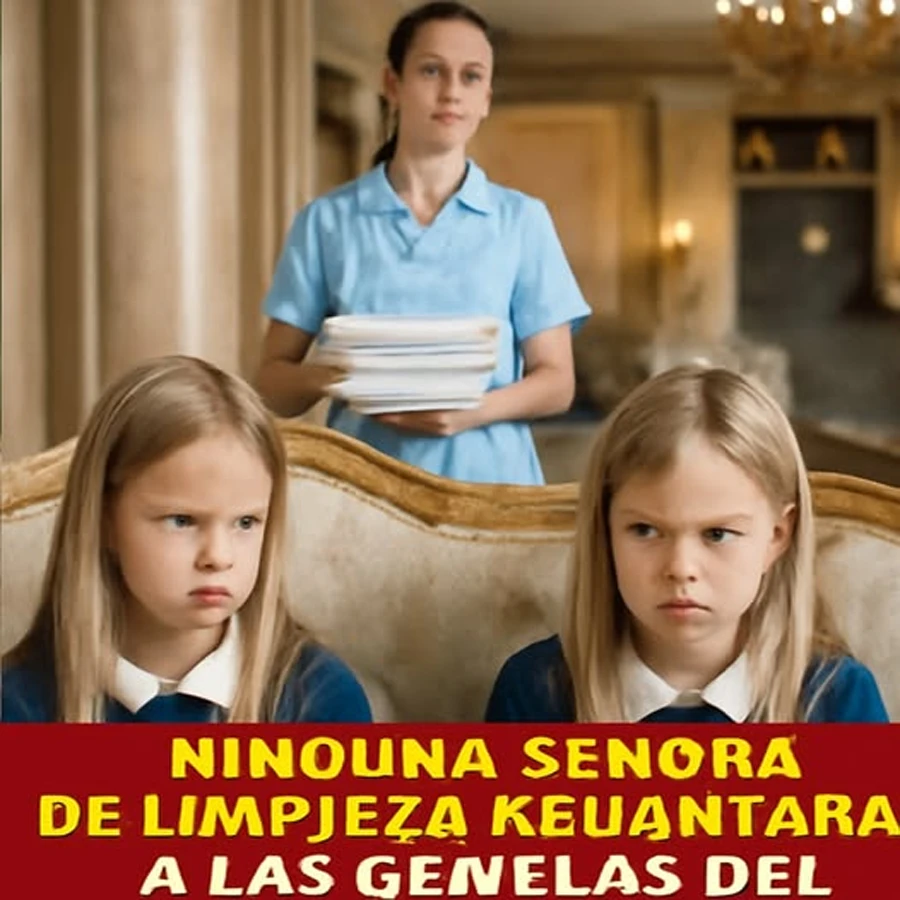
They were the terror of the mansion — twin heirs who drove every housekeeper away. But when a new lady arrived, she spoke just one sentence that froze everyone in the room. What she did next left the millionaire father speechless and turned the children’s lives upside down.
In a sprawling estate just outside the city, Andrew Callahan, a widowed millionaire, faced an unusual but exhausting problem. His 9-year-old twins, Max and Mia, had scared off every single housekeeping lady he’d hired in the last six months.
It wasn’t that they were bad children at heart — but after losing their mother, they became rebellious, testing boundaries, pulling pranks, and making sure no one stayed long enough to care for them.
A revolving door of housekeepers
Every new hire left within days. Some complained of constant messes, others of clever tricks meant to embarrass them. Andrew, juggling a high-pressure business and single parenthood, was at his wit’s end.
“I don’t need someone who can clean,” he told his friend. “I need someone who can connect with them.”
The day she arrived
One rainy Tuesday, Margaret Hale, a woman in her late fifties with a calm demeanor and sharp eyes, arrived for the job. She had decades of experience in both childcare and running large households.
When she walked into the twins’ playroom, Andrew watched from the doorway, half-expecting her to receive the same chaos as the others: paint splattered on the floor, toys thrown about, and the twins smirking, ready to pounce with their latest prank.
Instead, Margaret calmly surveyed the room, looked the twins directly in the eye, and said one sentence that stopped them cold:
“I’m not here to clean up after you — I’m here to help you take care of your own home.”
A stunned silence
The twins exchanged glances. No adult had ever spoken to them like that. Margaret didn’t scold, didn’t threaten, didn’t beg. She simply sat down cross-legged on the floor, picked up a toy block, and said, “Shall we start with this one?”
Max frowned. “You mean… we have to do it?”
“Yes,” she said firmly but kindly. “And I’ll show you how to do it better than any grown-up can.”
The turning point
In the days that followed, Margaret introduced small routines: making their own beds, helping set the table, even polishing the silverware together while telling stories. She didn’t present these as chores, but as “missions” — challenges that made them feel capable and important.
One afternoon, she asked them to choose a room to “transform” for their father. The twins picked the library. For hours, they dusted, organized books by color, and even wrote a welcome note for Andrew to find.
When Andrew returned from work and saw the gleaming library — and the pride in his children’s faces — he was speechless.
Why it worked
Margaret understood something no one else had: the twins weren’t misbehaving to be mean; they were acting out because they felt powerless and ignored after their mother’s death. Giving them responsibility gave them back a sense of control — and connection.
She also set firm, clear boundaries. “Respect goes both ways,” she told them. “I respect you enough to teach you. You respect me enough to try.”
A family transformed
Within weeks, the household was different. Meals were calmer, rooms stayed tidy, and laughter returned to the mansion. The twins began helping Margaret with grocery lists, learning recipes, and even planning a surprise birthday breakfast for their father.
Andrew noticed he was spending less time mediating conflicts and more time enjoying moments with his kids. “I hired a housekeeper,” he later said, “but I ended up gaining a teacher, a mentor, and a friend for all of us.”
The unexpected decision
After three months, Andrew offered Margaret a permanent position — but she surprised him by declining. Instead, she proposed something else: “Hire me as the children’s life skills tutor. You can get another housekeeper for cleaning, but I think my work here is to prepare them for life, not just to keep the house spotless.”
Andrew agreed immediately. Margaret stayed on as part of the family, guiding the twins not just in chores, but in manners, problem-solving, and empathy.
Conclusion: one sentence that changed everything
All it took was one unexpected line from Margaret to turn two unruly children into engaged, responsible young people — and to give a grieving family a path toward healing.
And in Andrew’s words:
“Sometimes the right person doesn’t just clean your house… they clean the hurt out of your hearts.”